How Proper Ski Tuning Improves Control, Speed & Confidence
Preparing for a day in Colorado’s mountains involves many small choices—from picking the resort to packing layers, but the condition of your skis is one of the most important factors that affects how you move, turn, and feel on the snow.
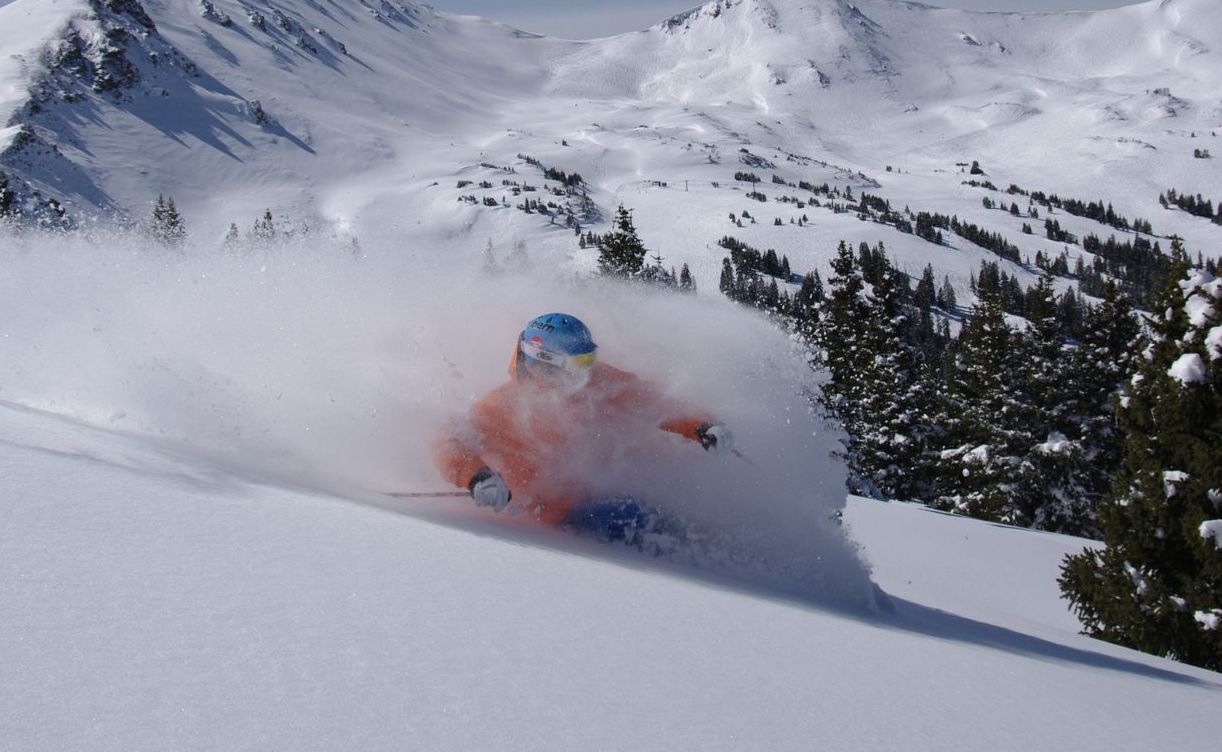
The right preparation can be the difference between a smooth, enjoyable run and a day that feels more tiring than it should. When your equipment is tuned well, you gain more stability, improved glide, and a noticeable boost in confidence on varied terrain.
This is especially true for skiers traveling along I-70 to destinations such as Winter Park, Loveland, A-Basin, Keystone, Breckenridge, or Copper Mountain, as well as locals across Idaho Springs, Evergreen, Georgetown, Empire, Golden, and nearby communities.
Early-season preparation helps your skis perform their best long before winter crowds arrive.
Why Tuning Matters for Colorado Terrain
Colorado’s snow changes throughout the day, and many skiers experience several surface types in a single run. Mornings often start firm, midday can bring soft snow, and shaded areas may stay icy even when the sun warms the slopes.
Because of this mix, skis need to be prepared to respond quickly and predictably. Proper maintenance helps distribute pressure evenly, reduces strain on your legs, and allows the skis to adapt to snow that shifts from soft to firm within seconds. This versatility makes tuning essential for both beginners and experienced skiers.
1. Better Edge Hold for Safe, Smooth Turns
Edges play a major role in steering and control, especially on steeper terrain. Over time, they become worn from regular use, small rocks, or compacted snow. When this happens, skis may slip on firmer surfaces or feel less responsive when slowing down.
A fresh tune restores clean, sharp edges that help you stay secure and balanced. You may notice:
- More stability on firm or icy patches
- Smoother turns for beginners learning to stop
- Improved precision for intermediate and advanced skiers
- A more predictable feel on steeper trails
Sharp edges support confidence, especially on Colorado terrain, where the surface can vary quickly from soft snow to packed sections.
2. Improved Glide for Speed and Efficiency
The base of your skis dries out gradually, creating friction that slows you down and requires more effort when pushing forward. Waxing restores hydration and smoothness, which helps the skis glide cleanly across different types of snow.
When the base is freshly waxed:
- You move more efficiently on flat areas
- Speed becomes easier to manage
- Snow is less likely to stick
- The ski surface stays protected and lasts longer
This improved glide helps reduce fatigue and makes the day more enjoyable, whether you’re skiing for a few hours or spending a full weekend on the mountain.
3. More Confidence in All Types of Snow
Many skiers notice that confidence has a direct connection to how well their equipment performs. When skis respond consistently, it becomes easier to enter turns, adjust speed, and stay balanced during transitions. Colorado’s mountain weather often shifts from powder to packed snow to firm sections in just a few hours, so preparedness matters.
A properly tuned setup supports you in:
- Starting turns with less hesitation
- Handling mixed snow conditions
- Staying centered on fast or slow runs
- Recovering quickly if you hit uneven patches
This steady, predictable performance encourages skiers of all levels to explore more terrain comfortably.
4. Longer-Lasting Equipment That Performs Better Over Time
Regular maintenance protects your equipment investment. Hydrated bases, smooth structures, and even edges reduce long-term wear and prevent more significant issues such as rust, deep scratches, or base damage.
Some of the long-term benefits of consistent care include:
- Less need for repairs
- Stronger resistance to weather and snow conditions
- Better seasonal performance
- Equipment that stays reliable for more years
Keeping skis in good shape throughout the season also ensures that each trip to the mountains starts with dependable gear.
5. When to Schedule Your Tune-Up
Many skiers wonder how often they should tune their skis. While frequency varies depending on usage, several signs indicate it’s time for a refresh.
Consider scheduling a tune:
- At the start of each ski season
- After scraping rocks or hitting rough patches
- When edges feel dull or less responsive
- If you notice slowing on flat terrain
- When the base looks dry or turns white
Regular checks help you stay ahead of potential issues, especially during the busy winter months when conditions change quickly, and slopes see more traffic.
Preparing for the Season Ahead
As snow season approaches, early preparation helps avoid long wait times and ensures your skis are ready as soon as the lifts start spinning. Tuning your equipment before the holidays also gives you time to plan trips and schedule additional maintenance if needed.
For skiers who do not own their own equipment or want to compare different setups, early-season rentals can also be a helpful option.
Many travelers along the Front Range begin planning their ski days well before the first major snowfall, and having access to reliable, well-maintained equipment makes those plans smoother.
A Trusted Stop for Winter Gear Needs
Many skiers appreciate finding a service partner that offers warmth, guidance, and a helpful approach. Maison de Ski has become a familiar stop for locals and travelers preparing for winter, offering tuning, waxing, and equipment support designed to help skis and snowboards perform well in Colorado's mountains.
This kind of dependable care helps skiers feel comfortable and prepared as they head toward their favorite resorts.